




How to Select Professional Automotive Connectors: A Comprehensive Guide
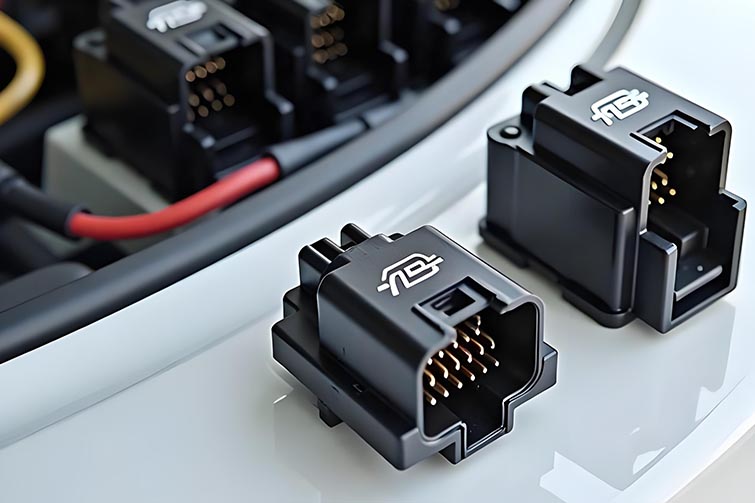
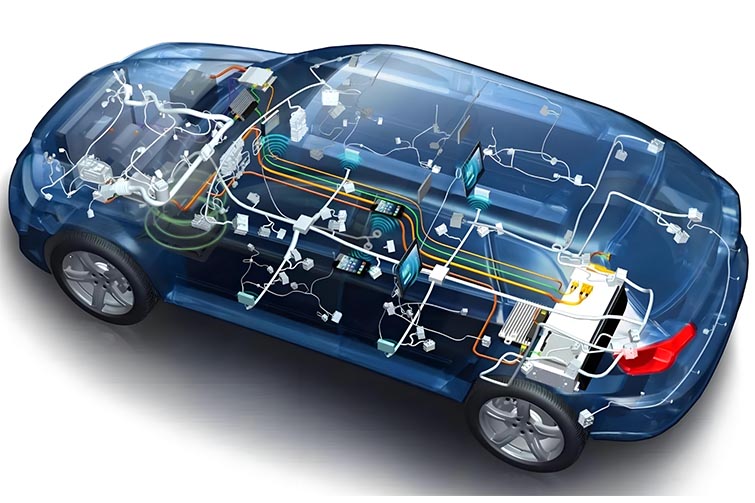
In the modern automotive industry, vehicles are no longer merely mechanical assemblies; they are complex networks of electronic systems. From advanced driver-assistance systems (ADAS) to electric vehicle (EV) powertrains and infotainment platforms, the reliability of a vehicle increasingly depends on the performance of its least conspicuous components—connectors. Selecting the right automotive connector is not just about fitting two pieces together; it is a critical decision that impacts safety, durability, and long-term operational efficiency. Here is a systematic guide to making the right choice.
1. Understand the Environmental Requirements
Automotive connectors operate in some of the harshest environments imaginable. Unlike consumer electronics housed in climate-controlled settings, a connector in a vehicle may be exposed to extreme temperatures, high humidity, road salt, oil, and relentless vibration.
Temperature Range: The first factor to consider is the operating temperature. Engine compartment connectors typically require a rating of -40°C to +125°C or even higher (up to 150°C for turbocharged engines), while interior or infotainment connectors may only need a standard commercial grade of -40°C to +85°C. Selecting a connector with an insufficient temperature rating can lead to thermal degradation of the plastic housing or loss of contact force in the terminals.
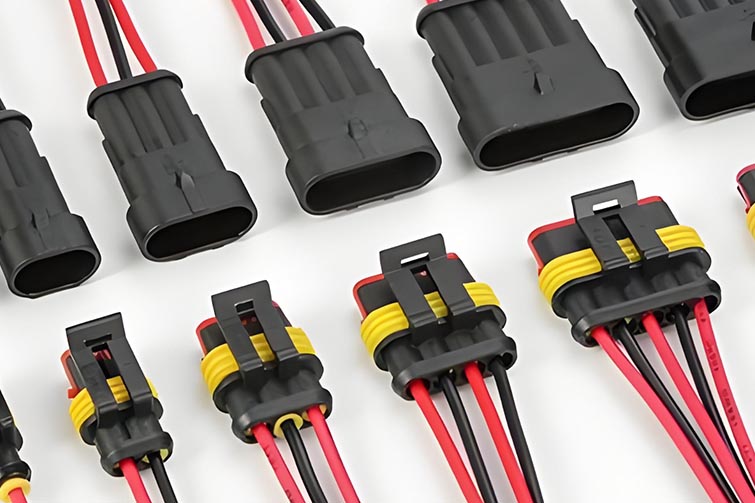
Sealing and Ingress Protection (IP): For applications exposed to the elements—such as sensors on the chassis, door harnesses, or battery packs—sealing is non-negotiable. Look for connectors with IP67, IP68, or IP6K9K ratings. The IP6K9K rating is particularly important for high-pressure, high-temperature wash-down areas like engine bays. Unsealed connectors in these zones will inevitably fail due to corrosion.
Vibration and Shock: The constant motion of a vehicle creates mechanical stress. Standard commercial connectors often lack the robust locking mechanisms required for automotive use. For applications near the engine, transmission, or suspension, choose connectors with secondary locking devices (terminal position assurances or connector position assurances) to prevent accidental un-mating or terminal back-out due to vibration.
2. Define Electrical Performance Parameters
Once the environment is assessed, the electrical specifications must align with the system’s requirements.
Current Rating and Voltage: One of the most common failures in connector selection is underestimating current needs. A connector designed for signal transmission (rated for 1-3 amps) cannot handle power delivery for a fuel pump or an electric motor. For high-power applications like EV battery connections, you will need high-current connectors specifically designed to handle 50 to 200+ amps without generating excessive heat. Always ensure the connector’s current rating matches the continuous and peak loads of the application.
Contact Resistance: In the world of automotive electronics, especially in ADAS and safety systems, signal integrity is paramount. High contact resistance leads to voltage drops and signal distortion. Look for connectors with gold-plated terminals for low-voltage, low-current signals (such as Ethernet or sensor signals). Tin-plated terminals are suitable for higher current applications but may not provide the same reliability in low-energy circuits where oxidation could cause connectivity issues.
Shielding: With the rise of high-frequency communication protocols like Automotive Ethernet, USB, and coaxial cameras, electromagnetic interference (EMI) shielding is crucial. Unshielded connectors in these systems can act as antennas, picking up noise from nearby motors or power cables. For infotainment and ADAS, ensure the connector provides 360-degree shielding to maintain signal integrity and compliance with electromagnetic compatibility (EMC) regulations.
3. Evaluate Mechanical and Safety Features
The physical design of the connector determines its ease of assembly and long-term safety.
Terminal Type and Wire Gauge: Automotive connectors must accommodate specific wire gauges (AWG or mm²). Using a connector designed for a 0.5 mm² wire on a 2.5 mm² power wire is impossible, and forcing the wrong gauge damages the terminal. Ensure the connector family supports the crimp profiles required for your harness.
Locking Mechanisms: Professional automotive connectors employ robust locking systems. Look for:
- CPA (Connector Position Assurance): A secondary lock that ensures the connector halves are fully mated. This prevents partial mating, which is a common cause of intermittent failures.
- TPA (Terminal Position Assurance): A secondary lock that ensures the crimped terminals are fully seated in the housing. This prevents terminals from backing out due to wire tugging or vibration.
- Lever Locks: For large multi-pin connectors (common in ECUs and battery packs), lever locks provide the mechanical advantage needed to mate high-density connectors without requiring excessive insertion force, which can damage terminals.
4. Verify Compliance with Industry Standards
To ensure reliability, do not rely solely on manufacturer claims. Verify that the connector meets established automotive industry standards.
- USCAR (United States Council for Automotive Research): This is the standard for connectors used in American and many global vehicle platforms. USCAR-2 defines performance requirements, while USCAR-21 specifies electrical terminal performance. A connector compliant with USCAR standards has undergone rigorous testing for vibration, temperature cycling, and durability.
- LV 214: This is the German automotive standard, widely used by European manufacturers (such as Volkswagen Group). It is often considered stricter than USCAR regarding vibration resistance (mechanical end-of-life tests) and corrosion.
- IATF 16949: While this is a quality management standard for the manufacturer, it is essential to source connectors from suppliers certified to IATF 16949 to ensure consistent manufacturing processes and traceability.
5. Consider Supply Chain and Future-Proofing
In the current global market, the availability of components is as critical as their technical specifications.
Standardization: Whenever possible, select connectors from established families (such as Molex MX150, TE Connectivity MCON, or Aptiv) that are widely used across the industry. Proprietary or niche connectors may lead to supply chain bottlenecks or obsolescence issues. Standardized connectors also simplify sourcing for aftermarket repairs.
Scalability: If you are designing a platform that will evolve (e.g., adding more sensors or higher power variants), consider connectors with modular designs. A flexible connector family allows you to increase pin counts or add shielded lines without redesigning the entire wiring harness.
Conclusion
Selecting the right automotive connector is a balance of environmental durability, electrical performance, mechanical integrity, and industry compliance. A poor choice can lead to field failures, safety recalls, and reputational damage. By prioritizing strict environmental ratings, verifying electrical specifications, insisting on safety locks (CPA/TPA), and adhering to standards like USCAR or LV 214, engineers and procurement specialists can ensure that their wiring systems are robust enough to withstand the rigors of the road. In the era of electrification and autonomous driving, the connector is no longer just a passive component—it is the backbone of vehicle reliability.